Planning a successful meeting or conference involves much more than organizing speakers, presentations, and schedules. Creating a welcoming experience also means ensuring every attendee feels comfortable and included, especially when it comes to food and beverage service. One of the simplest ways to accomplish this is by understanding guests’ dietary needs before they arrive.
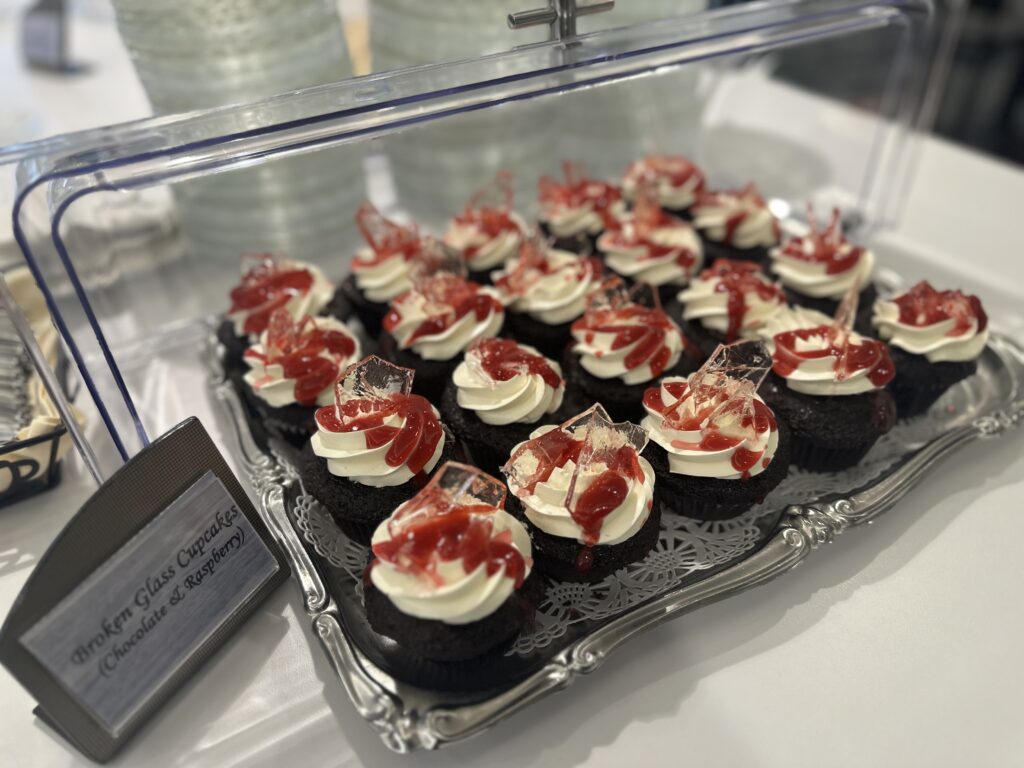
Asking about dietary restrictions during meeting registration allows organizers to prepare for a variety of needs, whether attendees have food allergies, follow vegetarian or vegan diets, or require meals that meet religious or medical requirements. Gathering this information early helps prevent last-minute complications and gives the venue’s culinary team the opportunity to plan appropriate accommodations.
At Norwood Conference Center, we understand that thoughtful planning makes a difference. Our experienced event planning and culinary teams work closely with organizers to provide delicious, carefully prepared meals while accommodating a wide range of dietary needs.
Why Collecting Dietary Information Early Matters
Today’s meeting attendees have diverse dietary needs and preferences. Some avoid certain ingredients because of allergies or medical conditions, while others follow specific diets for personal, cultural, or religious reasons. Understanding these requirements before an event allows meeting planners to make informed catering decisions and create a more inclusive dining experience.
Collecting dietary information early helps organizers:
- Identify attendees who require special meal accommodations.
- Reduce last-minute changes and unexpected requests.
- Address food allergies and potential cross-contact concerns.
- Give culinary teams sufficient time to plan alternative meals.
- Create a more comfortable and enjoyable dining experience.
The earlier this information is shared with the venue, the more flexibility the catering team has to source ingredients, develop appropriate alternatives, and coordinate meal service. Advance preparation also helps reduce unnecessary stress for both meeting planners and attendees.
When Should You Ask About Dietary Restrictions?
The ideal time to collect dietary information is during the initial registration or RSVP process. Including a dietary question on the registration form allows attendees to communicate their needs while they are already providing contact information, selecting sessions, and confirming attendance.
By collecting dietary restrictions during meeting registration, organizers can maintain accurate records and provide their venue with important information well before the event. Dietary questions can easily be incorporated into online registration forms, RSVP pages, conference ticketing platforms, meeting invitations, and event management software.
Waiting until the final week before an event can make accommodations more challenging, particularly when specialized ingredients or preparation procedures are required. Gathering responses early gives both the meeting planner and the culinary team more time to address individual needs and make adjustments as necessary.
What Dietary Questions Should You Include on Registration Forms?
When asking attendees about their dietary needs, keeping the process simple and straightforward is usually the most effective approach. A clearly worded question encourages guests to provide relevant information without making the registration process unnecessarily complicated.
For example, consider asking:
“Do you have any dietary restrictions, food allergies, or special meal requirements we should know about?”
You can then provide common options, including:
- Vegetarian or vegan
- Gluten-free
- Dairy-free
- Nut or shellfish allergies
- Kosher or halal
- Other (please specify)
Including an open-text field is especially important because not every dietary requirement fits neatly into a predefined category. Attendees with serious allergies may need to provide additional information about specific ingredients or potential cross-contact concerns.
It’s also helpful to distinguish between dietary preferences and actual restrictions. Asking specifically about allergies and dietary requirements, rather than simply requesting food preferences, helps planners gather information that is more useful to the catering team.
Let Registration Technology Simplify the Process
Most modern event registration platforms make it easy to collect and organize dietary information. Instead of managing individual requests through multiple emails or separate spreadsheets, meeting planners can use registration software to maintain a centralized record of attendee requirements.
Having this information organized in one place makes it easier to identify common dietary needs, monitor changes as registrations arrive, and communicate accurate meal counts to the venue. It also reduces the possibility of overlooking individual requests, particularly for larger conferences or multiday meetings.
When sharing dietary information with a venue, planners should provide the details necessary for meal preparation while handling attendees’ personal information appropriately. A well-organized registration process helps ensure that important requirements reach the culinary team without unnecessary delays.
Share Dietary Requirements with Your Venue Early
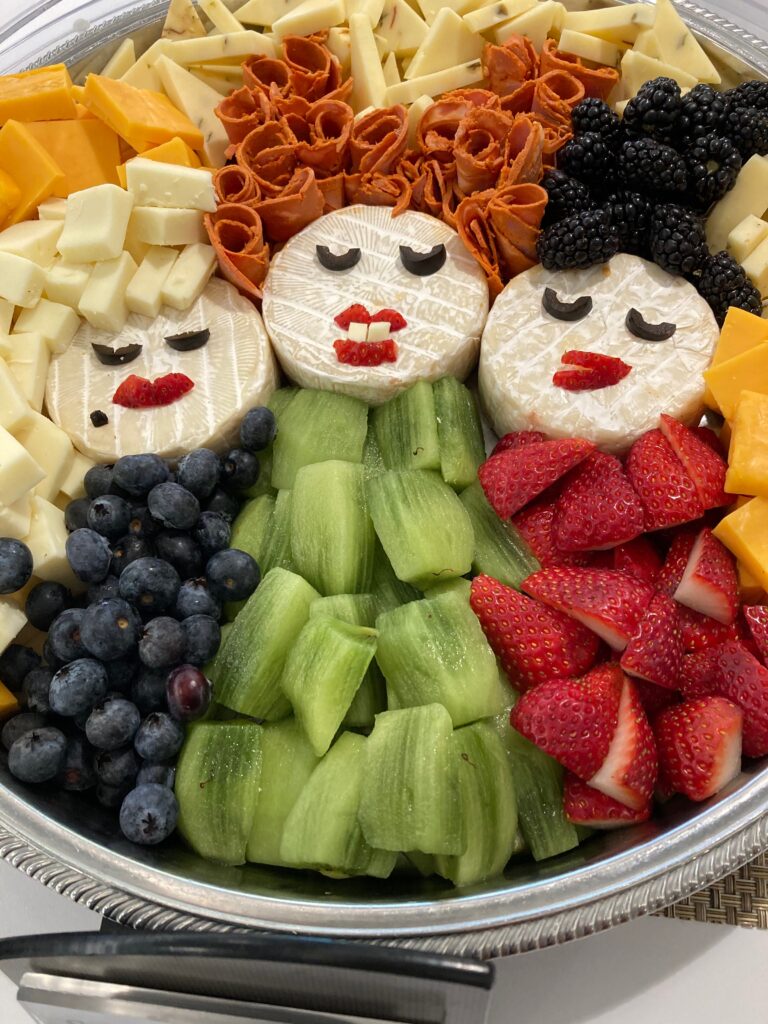
Collecting dietary information is only the first step. Communicating those details to your venue as early as possible is equally important, especially when attendees have allergies or require specialized meals.
Some dietary accommodations involve alternative ingredients, separate preparation procedures, or adjustments to the planned menu. Providing advance notice allows chefs to evaluate available options, discuss potential concerns, and determine the most appropriate approach for each request.
At Norwood Conference Center, our culinary team works with meeting planners to review dietary requirements before an event and coordinate available accommodations. Early communication also provides an opportunity to clarify requests and address any questions related to ingredients or preparation practices.
For guests with serious food allergies, it’s particularly important to discuss ingredient handling and cross-contact precautions directly with the venue rather than relying solely on general menu descriptions.
Choose Meeting Menus That Offer Flexibility
One of the easiest ways to accommodate a diverse group of attendees is to select a menu that already includes a variety of choices. Offering different proteins, vegetables, grains, and plant-based dishes gives guests more flexibility while reducing the need for individually prepared alternatives.
At Norwood Conference Center, our chef-curated meeting packages feature thoughtfully prepared selections designed to appeal to a wide range of tastes and dietary preferences. Depending on the menu, offerings may include vegetarian dishes, plant-forward selections, gluten-friendly options, seasonal vegetables, fresh salads, and lighter, health-conscious choices.
When flexibility is built into the menu from the beginning, meal service becomes easier to coordinate and guests have more opportunities to select foods that suit their needs. However, attendees with medically necessary dietary restrictions or serious allergies may still require separate arrangements, making advance communication essential.
Don’t Forget About Food Labels and Buffet Signage
Even when dietary requirements have been collected in advance, clear food labeling remains an important part of the dining experience. Buffets, refreshment stations, and food displays should provide accurate information to help guests make informed decisions about what they eat.
Common labels may identify items as vegetarian, vegan, gluten-free, or dairy-free, while allergen information can highlight ingredients such as nuts or shellfish. Clear signage helps reduce confusion during meal service and allows attendees to navigate their options more comfortably.
For guests with serious allergies, labeling should be supplemented by access to knowledgeable catering staff who can answer questions about ingredients and preparation procedures. Thoughtful communication helps guests feel more confident and supported throughout the event.
Food & Beverage Designed to Support Productive Meetings
One of the advantages of hosting an event at Norwood Conference Center is our all-inclusive approach to conference dining. Rather than requiring planners to coordinate every meal and refreshment separately, our chef-led culinary team creates thoughtfully designed food and beverage experiences that complement the meeting schedule and help attendees stay energized throughout the day.
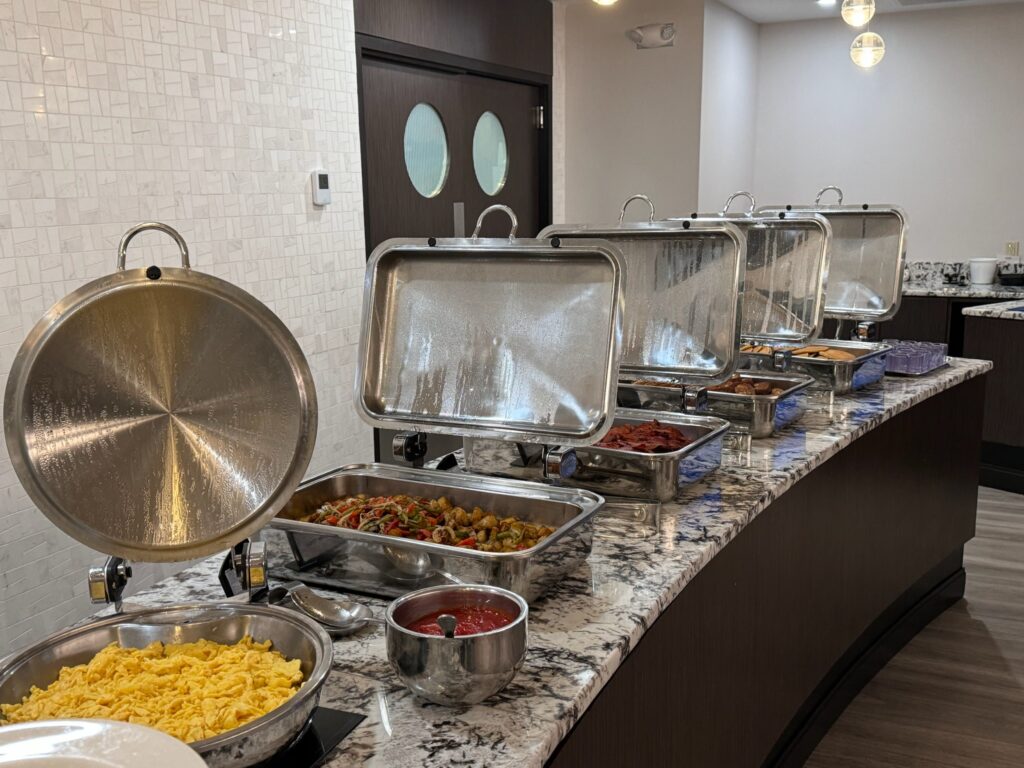
Guests enjoy continuous morning and afternoon refreshment breaks featuring freshly brewed coffee, teas, baked goods, healthy snacks, fresh fruit, juices, and soft drinks. Our gourmet lunch buffet offers a satisfying selection of entrées, composed salads, soups, fresh-baked breads, and desserts, providing a variety of choices to suit different tastes and preferences.
Our chefs also consider common dietary needs when developing menus and work with event planners to discuss special meal accommodations in advance. This thoughtful approach helps simplify the planning process while delivering a high-quality dining experience that supports both attendee satisfaction and meeting productivity.
Creating a More Inclusive Meeting Experience
Successful meetings are about bringing people together, encouraging collaboration, and creating meaningful connections. Food and beverage service plays an important role in that experience, and making sure guests feel comfortable at the table is an essential part of thoughtful hospitality.
By collecting dietary restrictions during meeting registration, communicating requirements with your venue early, and selecting menus that offer flexibility, meeting planners can create a more inclusive and enjoyable experience for everyone attending. These relatively simple steps help reduce last-minute challenges while demonstrating genuine consideration for guests’ individual needs.
At Norwood Conference Center, we believe exceptional hospitality begins long before attendees arrive. Our experienced event planning and culinary teams work together to help organizers coordinate meetings that are productive, comfortable, and memorable.
Plan Your Next Meeting at Norwood Conference Center
Planning a corporate meeting, training session, or conference near Boston? Norwood Conference Center in MA offers flexible meeting packages, chef-prepared dining, and comprehensive event planning support designed to simplify the process from start to finish.
From continuous refreshment breaks and gourmet lunches to thoughtful dietary accommodations, our team is committed to helping you create an exceptional experience for your attendees.
When the day’s sessions conclude, guests can continue networking and conversation at One Bistro, our award-winning on-site restaurant. Whether gathering for a team dinner, an informal meeting, or evening drinks, attendees can enjoy a convenient dining experience without leaving the property.
Contact Norwood Conference Center today to learn more about our meeting packages, catering options, and full-service event planning support.