Corporate training retreats help teams grow, learn, and connect but only when they are planned with intention.
Today’s planners want events that feel structured, productive, and engaging. The most successful retreats combine clear goals, thoughtful design, and the right venue support. At Norwood Conference Center in MA, our team hosts hundreds of programs each year, giving us a front-row seat to what makes corporate retreats truly effective.
Here are our expert tips for planning a high-impact training retreat in today’s fast-paced business environment.
Define the Retreat’s Purpose from the Start
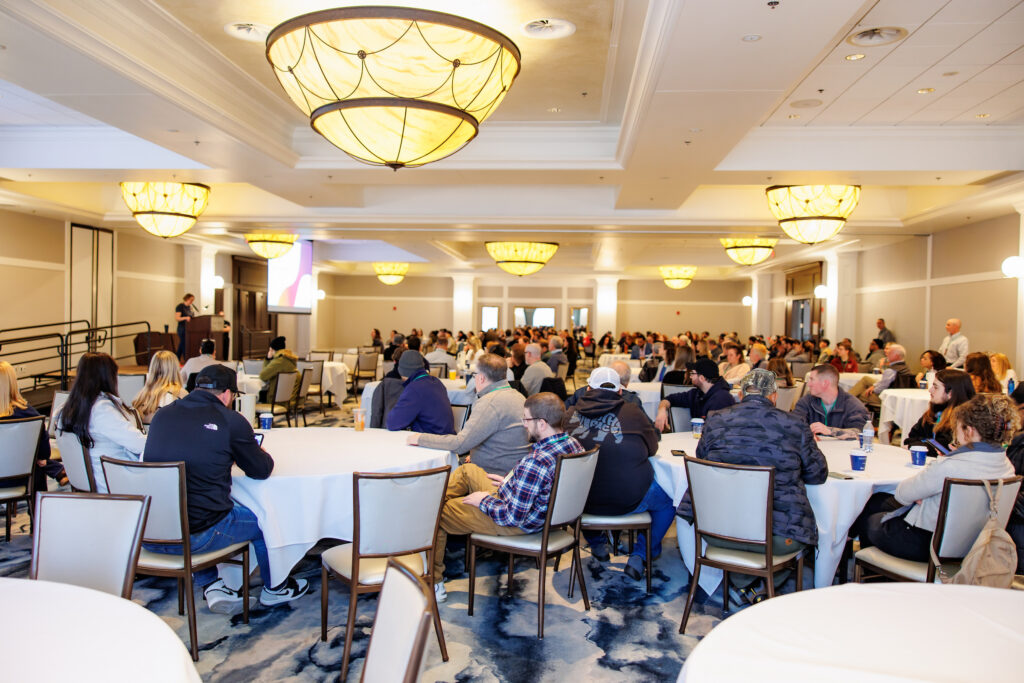
Every successful retreat begins with a clear purpose.
Planners should define what the group must achieve during the program. Some retreats focus on leadership development, while others support onboarding, sales training, or team alignment. Clear goals shape the agenda, session flow, and required resources.
Purpose also improves communication. When expectations are shared in advance, participants arrive prepared and aligned. This leads to stronger engagement and better outcomes.
Our team often recommends sending a short pre-event message to attendees outlining the retreat’s goals. This simple step sets the tone for a productive and focused experience.
Choose a Venue That Supports Learning
The environment plays a major role in how well participants absorb and retain information.
A strong venue minimizes stress, reduces distractions, and simplifies logistics. When everything is easy and accessible, teams can focus fully on learning.
At the Norwood Conference Center, everything is under one roof—meeting rooms, dining, and hotel accommodations. This allows attendees to move seamlessly between sessions, breaks, and meals without disruption.
Reliable technology is just as critical. Training programs depend on strong Wi-Fi, clear audio, and fully functioning AV systems. Our onsite AV team handles setup, testing, and real-time support so sessions run smoothly from start to finish.
Build a Balanced and Engaging Agenda
The best retreats maintain energy through thoughtful pacing.
Long sessions can drain attention, while shorter, structured segments keep participants engaged. A balanced agenda should include a mix of instruction, discussion, and interactive elements.
A typical corporate training retreat structure might include:
- A focused morning session for core content
- Midday collaborative or hands-on work
- Lighter, discussion-based sessions in the afternoon
We often recommend a “content + activity” approach, where participants immediately apply what they’ve learned. This reinforces key concepts and makes learning more meaningful.
Use Food and Breaks to Support Focus
Food is more than a convenience—it directly impacts performance.
Well-designed menus help maintain energy and focus throughout the day. Balanced meals with protein, vegetables, and lighter options prevent fatigue and keep participants alert.
At the Norwood Conference Center, our culinary team designs menus specifically for corporate events. From energizing breakfasts to productive lunch options and well-timed coffee breaks, every detail is built to support learning.
Breaks are equally important. Short, consistent breaks give attendees time to recharge, network, and refocus. Proper pacing helps maintain productivity from morning through the final session.
Incorporate Interactive and Hands-On Elements
Engagement is what transforms a good retreat into a great corporate training retreat.
Interactive sessions—such as group challenges, case studies, and role-playing—encourage participation and build confidence. These activities help teams apply concepts in real time while strengthening collaboration.
Flexible meeting spaces are key. Our rooms are designed to support movement, breakout sessions, and group work, making it easy to shift between formats.
For hybrid groups, inclusion matters. Our technology ensures remote participants stay connected with clear audio, multiple screens, and stable connectivity—so everyone feels part of the experience.
Create Space for Connection and Reflection
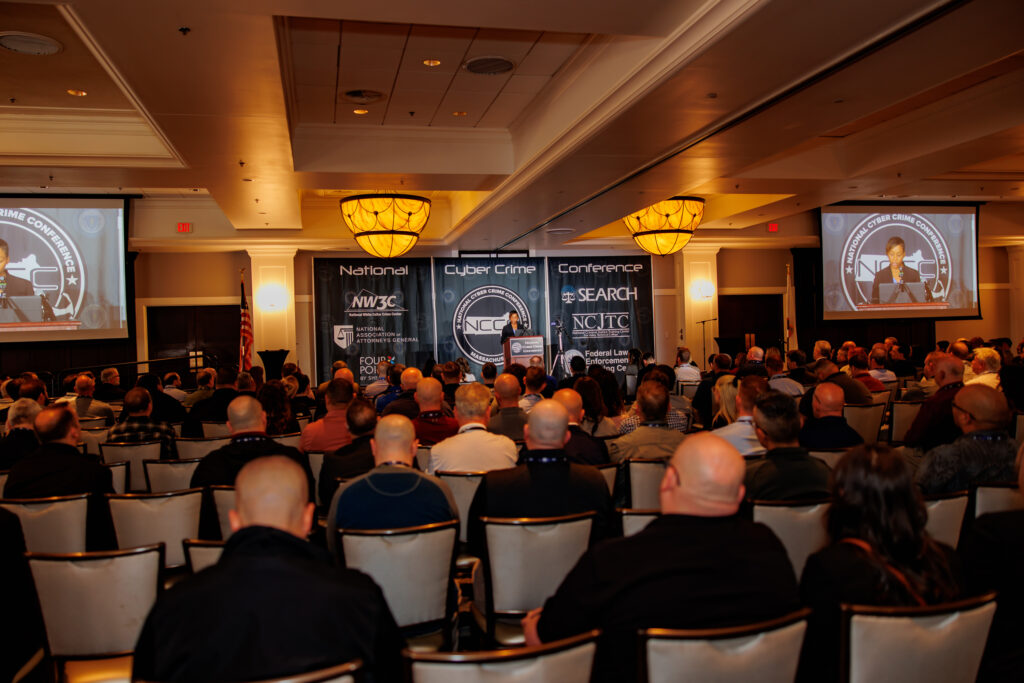
Some of the most valuable moments in a retreat happen outside formal sessions.
Reflection allows participants to process information and connect it to their day-to-day responsibilities. Simple tools like discussion prompts or small group conversations can make a big impact.
Connection is just as important. Shared meals, informal conversations, and networking opportunities help build stronger relationships across teams.
Our layout supports this naturally, with comfortable lounges, open gathering spaces, and thoughtfully designed break areas that encourage conversation and collaboration.
Support the Team After the Retreat Ends
The most effective retreats don’t end when the event concludes.
Follow-up is essential for reinforcing key takeaways and maintaining momentum. Many organizations share recap notes, action plans, or next steps shortly after the event.
Some also schedule follow-up sessions to revisit content and track progress. These continued touchpoints help turn short-term learning into long-term results.
Choose a Partner That Understands Corporate Learning
A successful retreat requires more than just space—it requires the right partner.
Experienced venue teams understand how to support learning environments. From room setup and scheduling to technology and catering, the right team ensures every detail runs smoothly.
At the Norwood Conference Center, we specialize in corporate training programs. Our team works closely with planners to create seamless, productive, and engaging experiences.
Ready to Plan Your Next Corporate Training Retreat?
A well-planned retreat can energize your team, strengthen collaboration, and drive real business results.
If you’re ready to create a high-impact training experience, the Norwood Conference Center team is here to help.